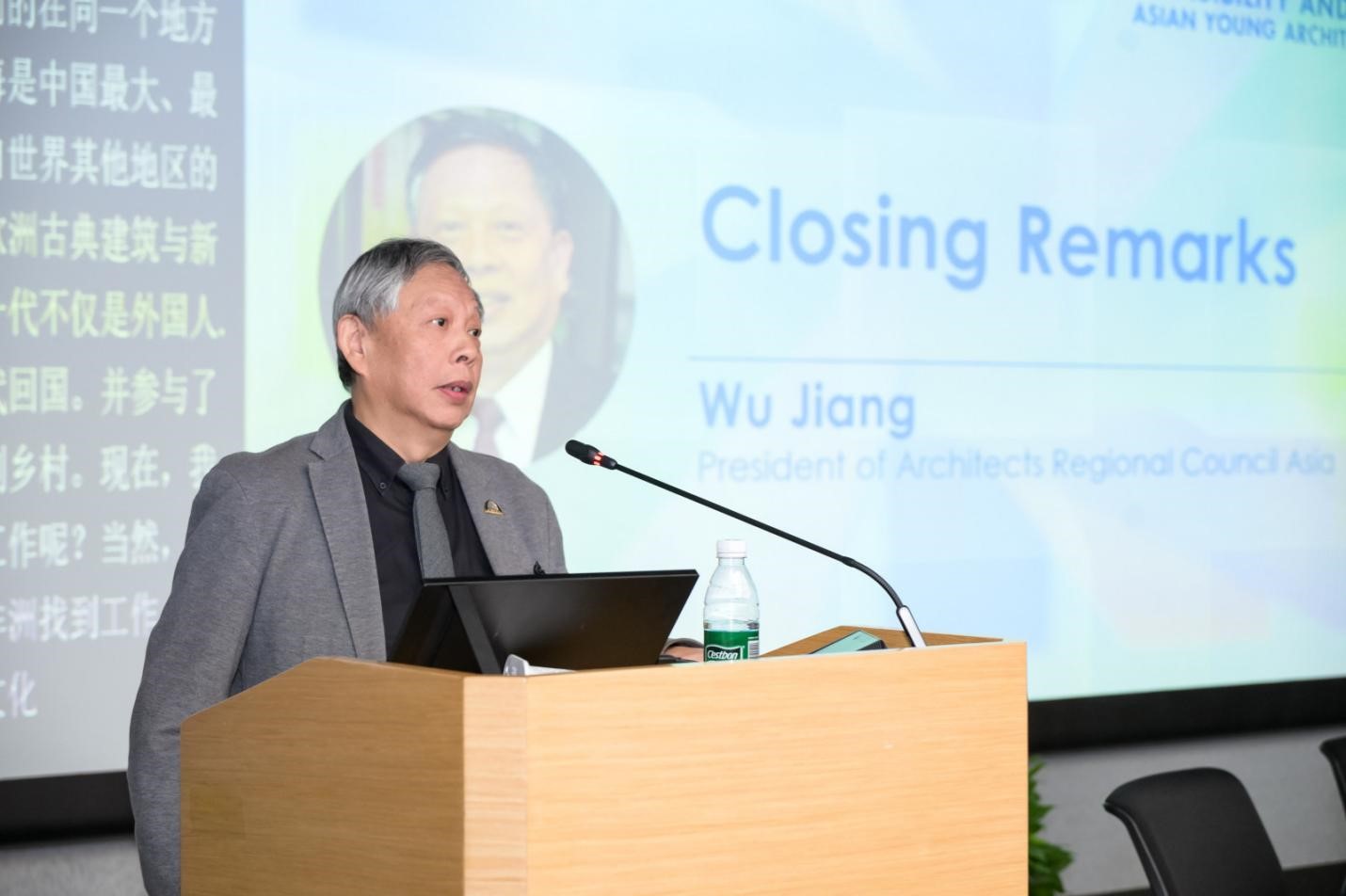
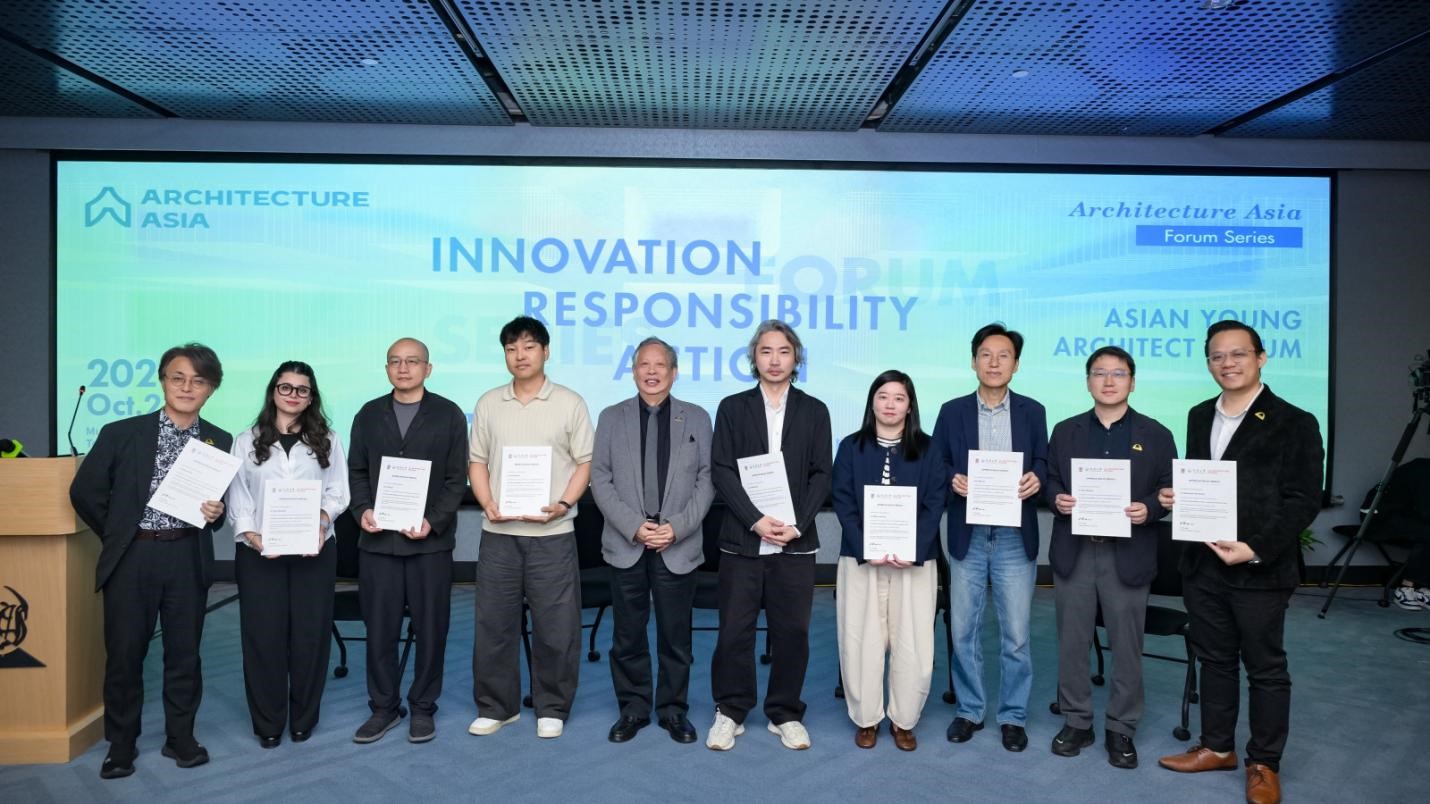
On 23 October 2026, the “Innovation, Responsibility and Action: Asian Young Architect Forum” was held at the Multi-function Hall of Tongji Architectural Design (Group) Co., Ltd. in Shanghai, China. The event was organized by the Korea Institute of Registered Architects (KIRA), Tongji University, and Architecture Asia. Young architects, scholars, and industry representatives from home and abroad gathered to discuss the common challenges of urban and social transformation in Asia and the professional practice of young architects.
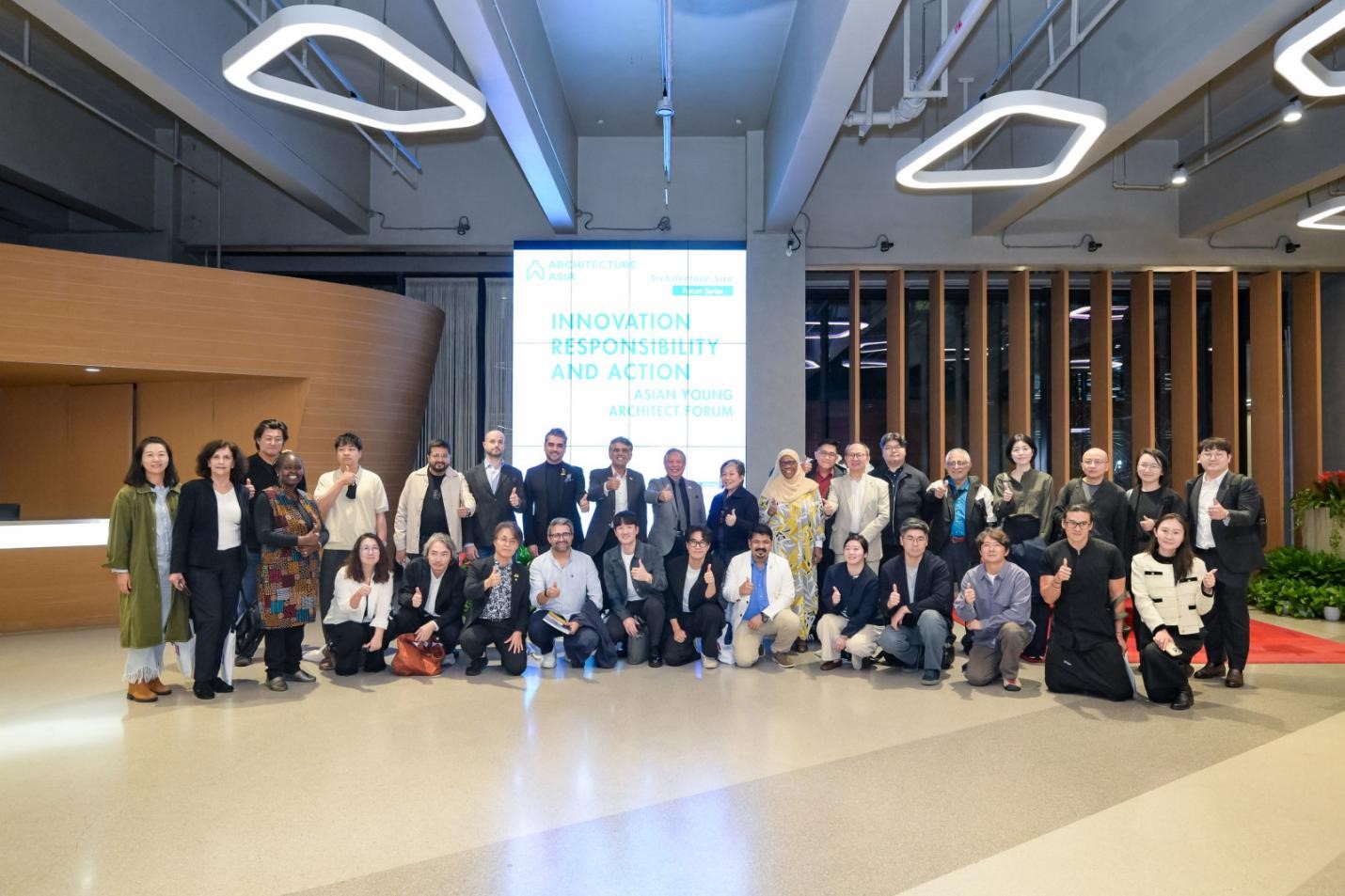
Opening Session
Chaired by Wang Yi, Chairman of the Department of Architecture at Tongji University, the session heard opening remarks from Lyu Peiming, Executive Vice President of Tongji University; Yuan Feng, Dean of the College of Architecture and Urban Planning; Tang Shuoning,Chairman of Tongji Architectural Design (Group) Co., Ltd.; KIM Jaerok, President of the Korea Institute of Registered Architects (KIRA); and Wu Jiang, President of ARCASIA. The shared a common concern for building a dialogue platform for young architects in Asia, encouraging young professionals to ground their work in local contexts while engaging in regional and global exchanges.
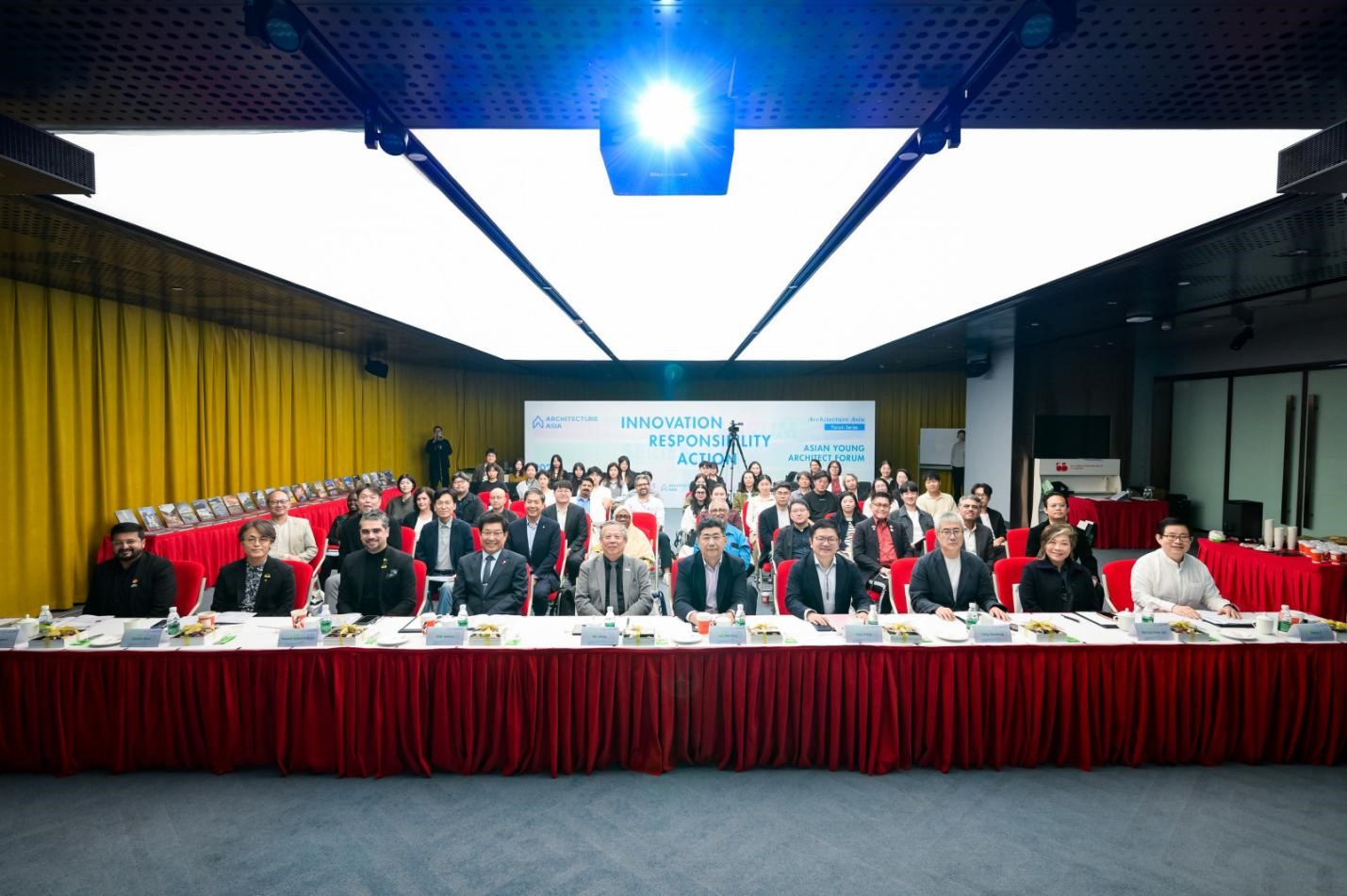
Keynote Speeches
The keynote session was held in two parts, hosted in the morning by Qhawarizmi Norhisham, ARCASIA Committee on Young Architects Chair 2026–27, and in the afternoon by Umar Saeed, ARCASIA Committee on Architectural Education Chair. Young architects and scholars from different countries shared research and projects on local practice, technological application and social response. Speakers included:
- Zhou Minghao (Deputy Editor-in-Chief, Architecture Asia; Honorary Secretary, ARCASIA), “Architecture Asia: Magazine and Forum” (Keynote Address);
- Baek Jin (Professor, Department of Architecture, Seoul National University), “New Trajectories after Compressed Modernity: A Brief Historical Context for the Works of Young Korean Architects” (Keynote Speech 1);
- Noor Mubesher (Founder & Chief Architect, NAD – Advance Architecture Design and Research Studios, Pakistan), “Parallel Universes: Research & Reality in Advance Architecture” (Keynote Speech 2);
- KANG Jung Yoon (Principal Architect, a root architecture, Korea), “Reading Jeju” (Keynote Speech 3);
- HONG Jin Pyo (Principal Architect, a.co.lab, Korea), “We All Learn Architecture First on the Street” (Keynote Speech 4);
- CHOI Saebol (Principal Architect, Architecture Label 1458, Korea), “Urban–Residential Interface” (Keynote Speech 5);
- Dong Yi (Associate Professor & Deputy Head, Department of Architecture, Tongji University; Principal Architect, c+d Design Studio), “A Path Apart: Reclaiming the Publicness of Architecture” (Keynote Speech 6);
- Roland Chih-Hung Lin (Researcher, CREOPS, Paris-Sorbonne University; former UNESCO Programme Specialist), “The Living Past – Korean World Heritage Sites: Connecting Cultural Heritage, Sustainability, and Responsible Action” (Keynote Address);
- CHO Younkyoung (Principal Architect, ZITTA Architects, Korea), “Architecture That Connects Landscapes” (Keynote Speech 7);
- Md Shafiul Azam Shamim (Managing Director & Principal Architect, ARQUITECTURA Pvt. Ltd., Bangladesh), “Innovation, Responsibility and Action” (Keynote Speech 8);
- KIM Jihee (Principal Architect, Kim-O Architects Co., Ltd., Korea), “Seeing as Dwelling: Gotjawal House” (Keynote Speech 9);
- Antonius Richard (Principal Architect & Managing Director, RAD architecture, Indonesia), “Practicing Freedom: The Architecture of Decentralized Sustainability” (Keynote Speech 10);
- SHIN Jeong Yeap (Principal Architect, Shin Design Lab, Korea), “No Is More – Beyond the Given” (Keynote Speech 11).
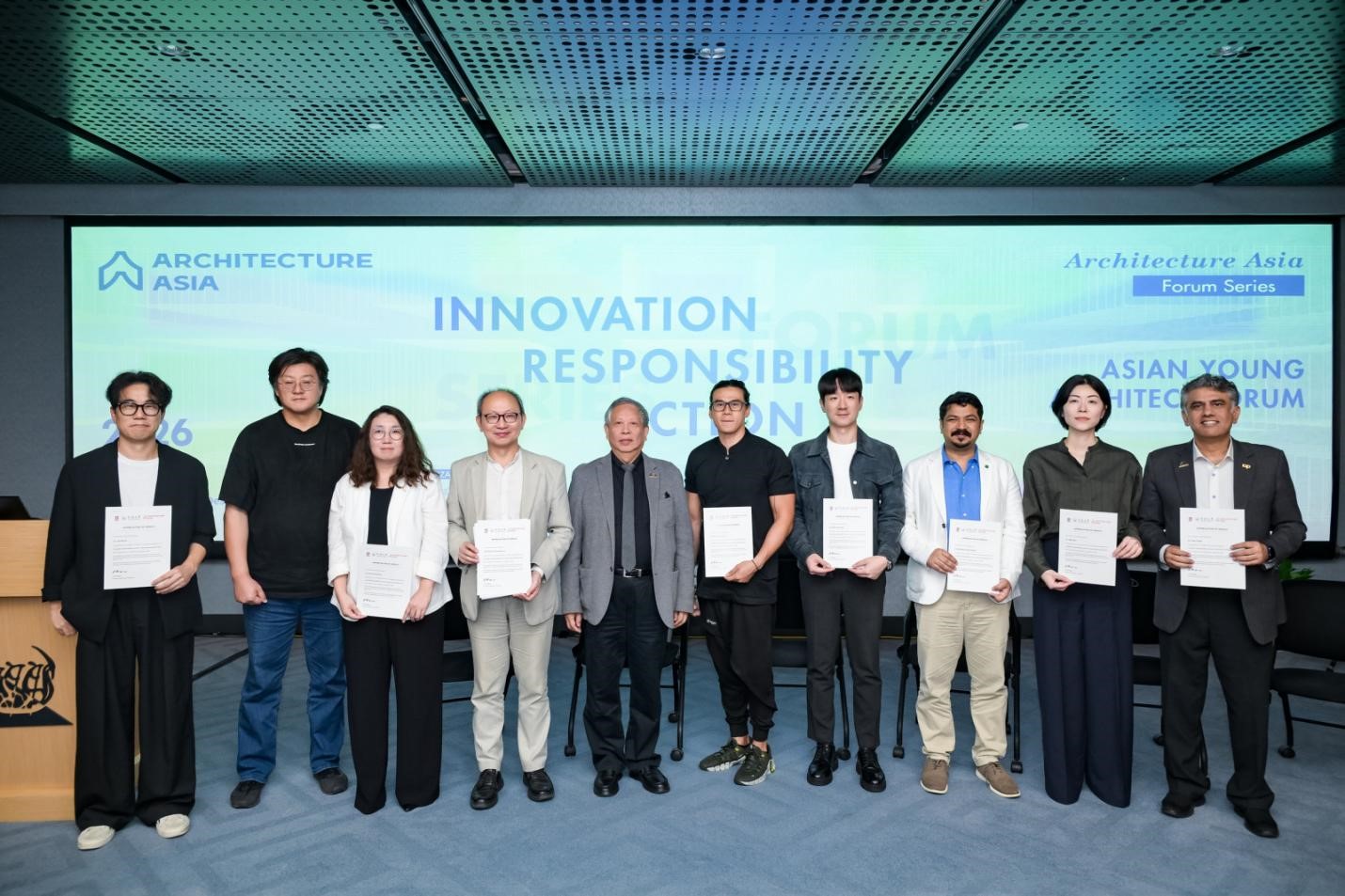
Panel Discussions
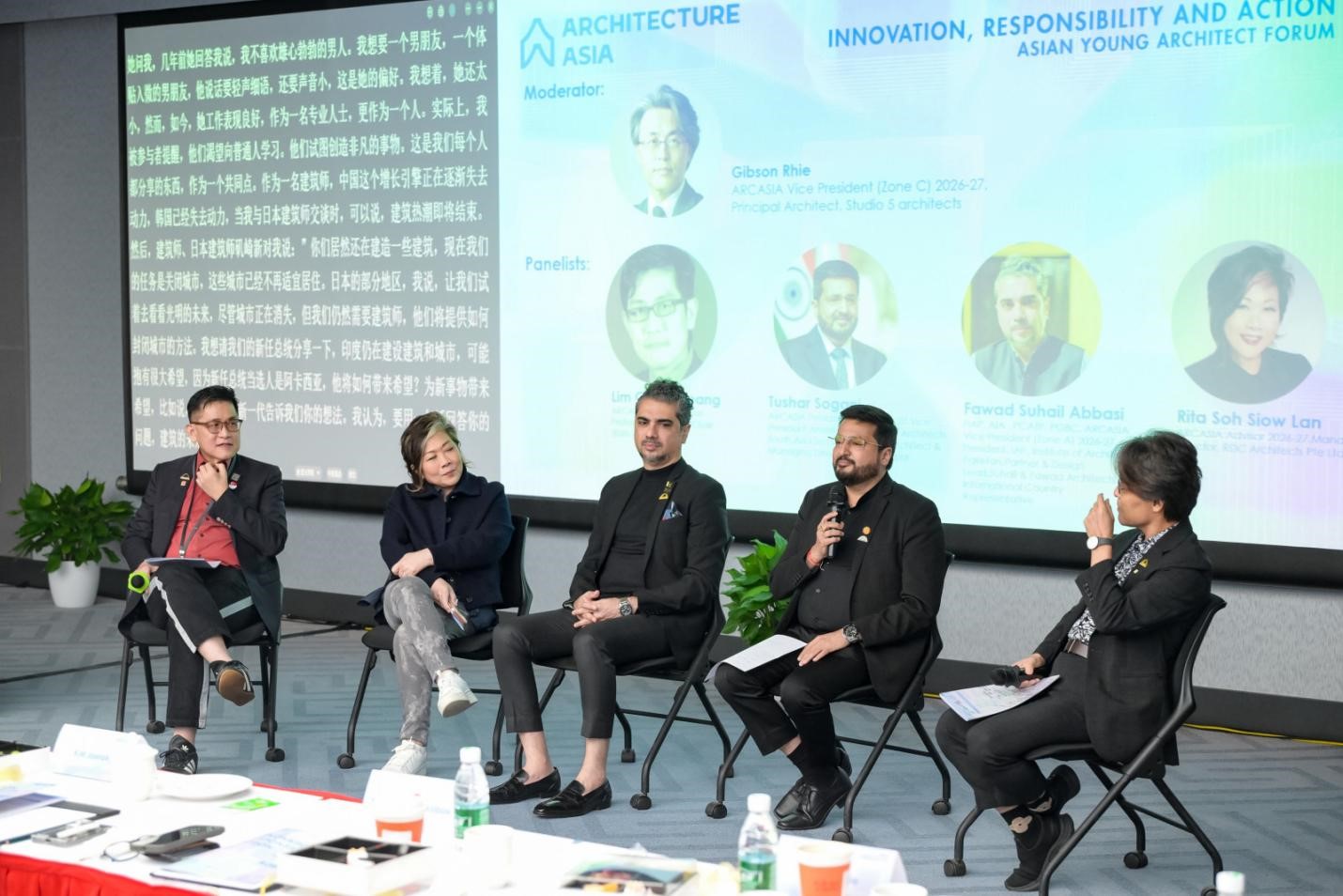
The morning panel was moderated by Gibson Rhie, ARCASIA Vice President (Zone C) 2026–27, with Lim Choon Keang, ARCASIA Committee on Professional Practice Chair 2026–27; Tushar Sogani, ARCASIA President-Elect 2026–27; Fawad Suhail Abbasi, ARCASIA Vice President (Zone A) 2026–27; and Rita Soh Siow Lan, ARCASIA Advisor 2026–27.
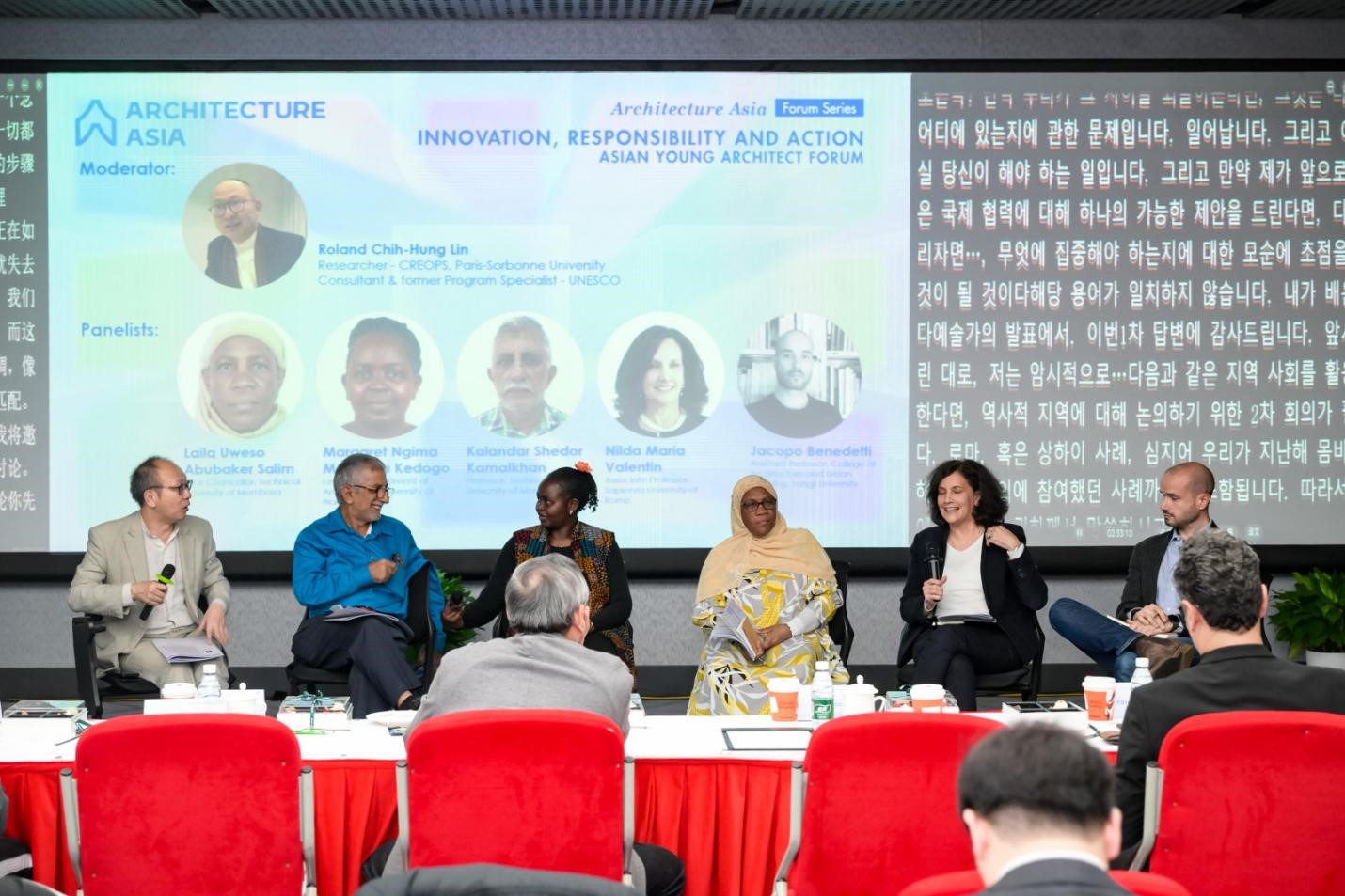
The afternoon panel was moderated by Roland Chih-Hung Lin (Researcher, CREOPS, Paris-Sorbonne University; former UNESCO Programme Specialist), with Laila Uweso Abubaker Salim (Vice-Chancellor, Technical University of Mombasa), Margaret Ngima Macharia Kedogo (Lecturer, Department of Architecture, University of Nairobi), Kalandar Shedor Kamalkhan (Professor, Technical University of Mombasa), Nilda Maria Valentin (Associate Professor, Sapienza University of Rome) and Jacopo Benedetti (Assistant Professor, College of Architecture and Urban Planning, Tongji University).
Across both sessions, the panels noted a shared concern for people’s everyday lives and the existing urban fabric, from AI and parametric tools to learning from villages and balancing privacy and nature in high-density cities. They observed that the Asian architectural profession is at a generational turning point, with the construction boom receding and the younger generation needing to find new paths, while crisis often gives rise to new architectural movements. Discussions also addressed reading places and histories, innovating rather than imitating heritage, community participation in conservation, and the need to embrace AI while retaining critical thinking. International cooperation was emphasized as a two-way exchange between Asia and Africa and between the Global South and North.
Closing Remarks
In the closing session, Wu Jiang, President of ARCASIA, noted that as urbanization shifts from growth to regeneration, architects should turn from grand creation to everyday life, community improvement and individual needs, and extend their practice beyond national borders. Facing AI, he stressed that technology cannot replace human understanding of emotion and the meaning of place, and called on architects to broaden their horizons through cross-cultural exchange and solidarity. He concluded by thanking KIRA, Tongji University, and all speakers and presenters.